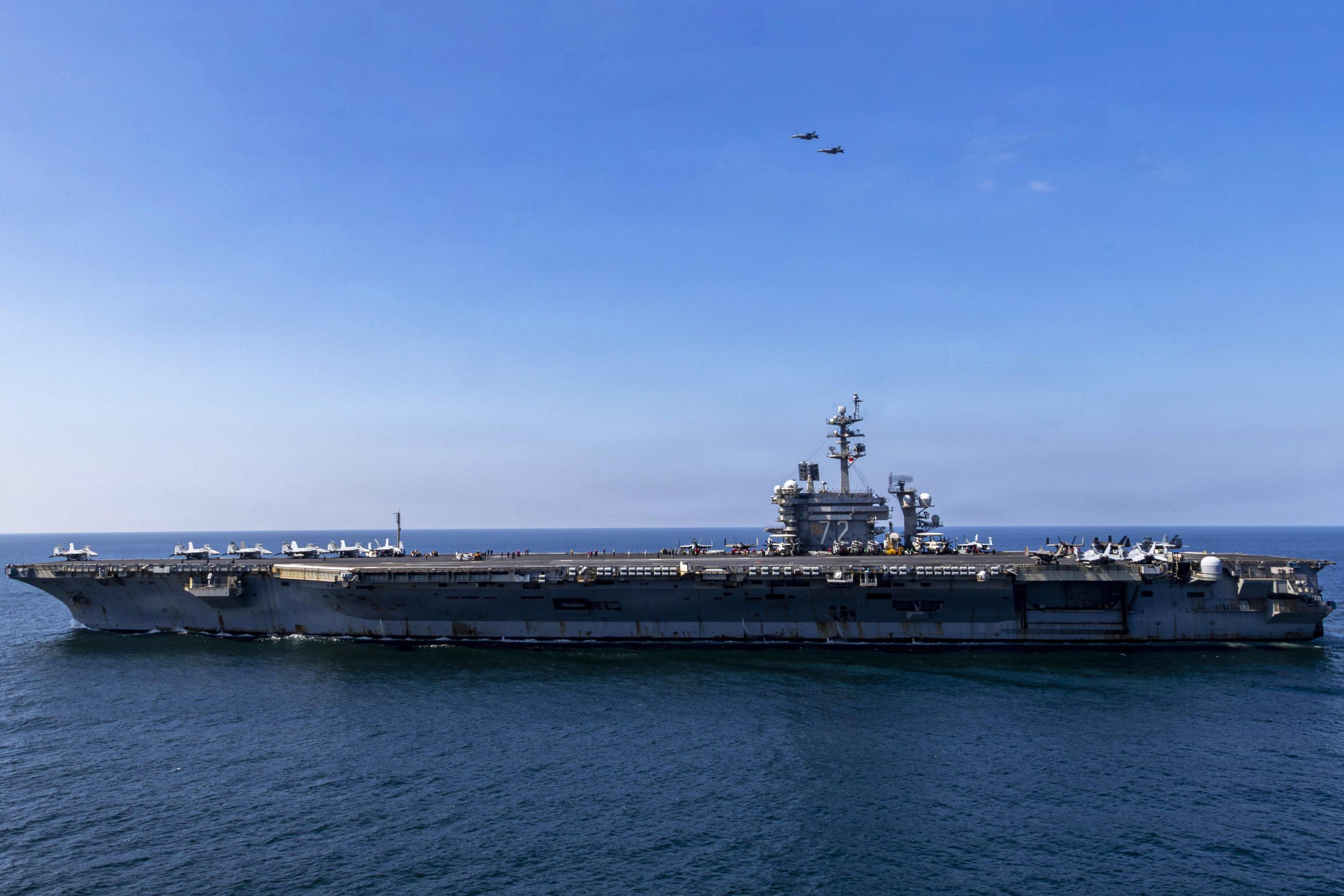
TRUMP’S BILLION-DOLLAR DISASTER! — THE $47 BILLION PRICE TAG OF THE IRAN WAR
The financial cost of President Donald Trump’s war with Iran has climbed above $47 billion, raising fresh questions about the administration’s military strategy and the burden on American taxpayers.
A new Pentagon estimate puts the cost at approximately $47.1 billion as of October 16, revealing a substantial increase since the previous accounting in early September.
The latest figure represents an additional $3.5 billion in spending in roughly six weeks, bringing the conflict’s financial consequences back into the center of Washington’s political debate.
The estimate was provided to Congress and obtained by news organizations, but the Pentagon has not publicly released the complete accounting.
The largest portion of the bill involves replacing weapons and ammunition consumed during military operations, with approximately $29 billion allocated for replenishing depleted munitions.
Another $11.9 billion covers operational expenses, including personnel support, aircraft operations, transportation, maintenance, and other activities required to sustain American forces.
The military also estimates that replacing lost equipment and platforms will require approximately $6.1 billion, adding another substantial expense to the conflict.
These figures illustrate how quickly a modern military campaign can consume expensive weapons systems, particularly when advanced defensive interceptors and precision missiles are used repeatedly.
The estimate, however, does not include the full cost of repairing American military facilities damaged by Iranian missile and drone attacks across the Middle East.
That omission is significant because several American installations have reportedly suffered extensive damage, potentially adding billions more to the eventual bill.
A recent Wall Street Journal analysis estimated that damage to U.S. and allied military installations could be far more extensive than previously understood.
The Pentagon has been assessing the damage, but the full reconstruction costs remain uncertain and are not reflected in the $47.1 billion estimate.
The growing price tag also represents a sharp increase from Defense Secretary Pete Hegseth’s July estimate of approximately $37.5 billion.
The Congressional Budget Office has separately estimated that continuing the conflict could cost an additional $2 billion to $3 billion each month, depending on military activity.
That projection means the financial burden could continue growing even if the current level of fighting remains relatively limited.
The consequences extend beyond Pentagon accounting. Higher energy prices and uncertainty surrounding the Strait of Hormuz have added pressure to global markets and household budgets.
For American families already concerned about gasoline prices, inflation, and borrowing costs, the war has become another source of economic uncertainty.
The human cost is also substantial. Pentagon figures list 21 American service members killed and 865 wounded, although not every reported death was directly caused by combat.
Meanwhile, the Trump administration is seeking additional funding from Congress to cover war-related expenses and replenish military supplies.
One Pentagon funding request reported to Congress totals approximately $67 billion for war-related costs, while broader administration proposals include other defense priorities.
Democratic lawmakers have demanded greater transparency, questioning whether the administration adequately explained the conflict’s objectives, financial requirements, and long-term consequences.
Republicans, meanwhile, face growing pressure to defend the military campaign as voters prepare to decide control of Congress in the November 3 midterm elections.
Trump initially predicted a relatively short military campaign, but the conflict has continued for months, with the president leaving open the possibility of renewed strikes.
The central question facing Washington is no longer simply how much the United States has already spent, but how much more taxpayers may ultimately be asked to pay.
At $47.1 billion, the reported military cost is already enormous. And because major repair expenses remain outside the estimate, the final bill could be considerably higher.