Trump’s Israel “Bombshell”: President Says U.S. Will End Nearly $4 Billion in Annual Aid
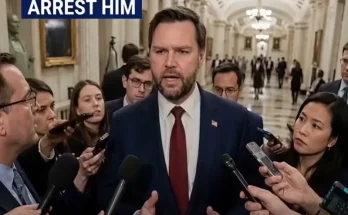
The image appears to refer to a major announcement Trump made on November 3, 2026: he said the United States would stop providing Israel with roughly $4 billion in annual assistance by the end of this year. This is a significant proposed shift in U.S.–Israel relations, but there is an important distinction: Trump announced an agreement with Benjamin Netanyahu, yet the precise funding affected and the process for ending it remain unclear.
Trump’s Surprise Israel Aid Announcement Raises Questions Over the Future of U.S.–Israeli Military Ties
WASHINGTON — November 5, 2026
President Donald Trump has announced that the United States will end its roughly $4 billion in annual military assistance to Israel by the close of 2026, describing the decision as an agreement reached with Israeli Prime Minister Benjamin Netanyahu. The statement, made during a Fox News interview on Election Day, could mark a major change in one of Washington’s longest-standing security partnerships. But key details remain unresolved, including which funding programs would be affected and how an early cutoff would work under existing commitments.
1. What Trump Announced
During the November 3 interview, Trump said he and Netanyahu had reached an understanding months earlier to stop the annual payments. He argued that Israel had become economically and militarily successful enough to manage without the assistance.
“We’ve already agreed that by the end of this year, we won’t be paying Israel,” Trump said, while adding that the United States would continue to help Israel if it needed support. He also indicated that Israel could purchase American weapons rather than rely on the existing aid arrangement.
Trump also connected the decision to domestic political debate. He argued that the annual assistance had become an easy target for Democratic critics of U.S. policy toward Israel, and said he did not want Republicans to continue facing political attacks over the funding.
2. Why the Announcement Matters
The current U.S.–Israel security assistance framework is based on a 10-year memorandum of understanding signed in 2016. It covers fiscal years 2019 through 2028 and outlines $38 billion in military assistance: $33 billion in Foreign Military Financing and $5 billion for cooperative missile-defense programs.
That framework is commonly described as approximately $3.8 billion per year. Trump’s proposed end-of-2026 cutoff would therefore accelerate a transition that, under the existing agreement, was not scheduled to take place until 2028.
3. Israeli Officials Were Reportedly Caught Off Guard
The announcement prompted questions inside Israel because the existing assistance framework remains in effect for two more fiscal years. The Associated Press reported that Netanyahu had not publicly responded immediately, while Israeli opposition figures criticized the way the proposed change emerged.
Israeli opposition leader Gadi Eisenkot called for answers about the reported agreement. Other critics warned that ending the assistance could have consequences for Israel’s security and questioned whether the government had adequately explained the change to the public.
4. Netanyahu Had Previously Discussed Reducing Dependence on U.S. Aid
The idea of gradually reducing Israel’s reliance on American military assistance did not emerge entirely without precedent. Netanyahu had previously spoken about moving Israel toward greater financial independence, including a proposal to phase out U.S. aid over a longer period.
However, Trump’s announcement described a much faster timetable. A transition by the end of 2026 would be substantially different from a gradual reduction over several years, and it is not yet clear whether the two leaders were referring to precisely the same funding arrangements.
5. Congress Could Play a Central Role
One of the biggest unanswered questions is how the administration would implement the announcement. The existing memorandum is not a treaty, and its funding commitments are subject to congressional appropriations. The Congressional Research Service explains that Congress can change annual assistance levels and provide additional funding beyond the memorandum.
That means a public announcement by the president and an understanding with Netanyahu do not, by themselves, explain how already authorized or appropriated funds would be handled. Any major change would have to account for existing laws, budgets and commitments.
6. Ending Direct Aid Would Not Necessarily End Weapons Cooperation
Trump has said the United States would continue selling weapons to Israel and would provide help if necessary. That distinction is important: military aid and commercial arms sales are different forms of support.
The two countries also have extensive defense relationships involving missile defense, weapons procurement and long-term contracts. The Wall Street Journal reported on November 5 that Israel has substantial outstanding U.S. weapons orders, complicating any rapid change to the assistance system. Existing contracts and equipment already ordered could remain financial and logistical issues even if future aid is reduced.
7. The Announcement Comes Amid a Changing Political Climate in Washington
The timing is politically significant. Trump made the announcement on November 3, the day Americans voted in the midterm elections, as U.S. public debate over military assistance to Israel has become more contentious.
Reuters reported that declining support for Israel among some Democratic voters and criticism of the war in Gaza have increased pressure on lawmakers to reconsider longstanding assistance. On November 4, Reuters also reported that Democrats’ victories in both chambers of Congress could lead to renewed scrutiny of U.S. support for Israel through hearings, spending decisions and oversight.
reuters.com+1
8. What Happens Next?
The immediate questions are whether the White House will publish a detailed plan, whether Netanyahu’s government will confirm the reported agreement, and how Congress will respond. Officials will also need to clarify whether the proposed cutoff covers all components of the current $3.8 billion framework or only certain forms of assistance.
Until those details are available, it would be premature to describe the announcement as a completed termination of every U.S. military support program for Israel. What is clear is that Trump has publicly set out an ambitious timetable that differs sharply from the schedule in the existing assistance framework.
apnews.com+1
9. What the Viral Image Gets Right — and What It Leaves Out
The image points to a real and consequential announcement, but its dramatic wording leaves out several important qualifications: